
The argument in favor of using filler text goes something like this: If you use any real content in the Consulting Process anytime you reach.

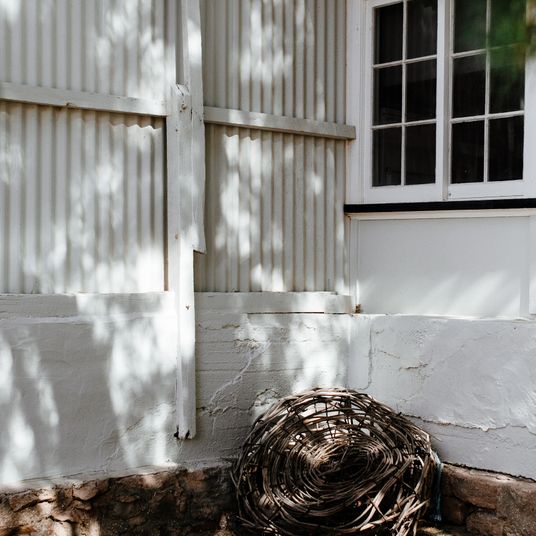
A Guide to Restoring Old Brick and Stone Walls

Why Old Cottages Demand a Gentle Touch
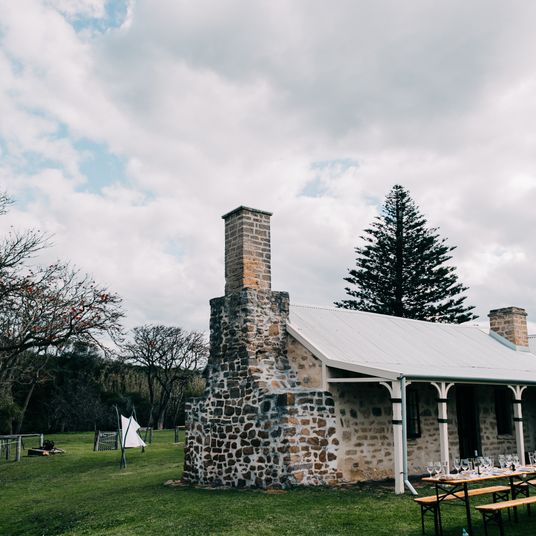
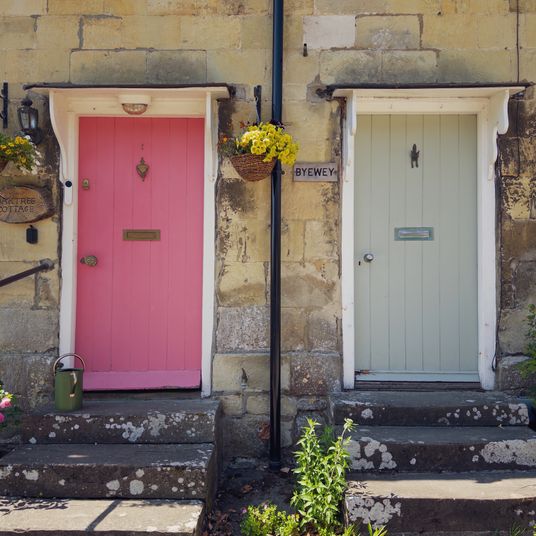
There is nothing quite like the mellow warmth of an old brick or stone wall. It holds centuries of weather, craft and quiet history. But those walls are also softer and more forgiving than modern masonry, and they rely on a simple principle: breathability. Traditional cottages were built with lime mortar, which flexes with movement and allows moisture to evaporate. When hard cement mortar or plastic paints are slapped on, trapped damp has nowhere to go. It finds the brick or stone instead, causing spalling, crumbling and long-term damage. Restoring these walls is not about making them look new. It is about helping them age gracefully with materials they understand.
Reading Your Walls: Brick, Stone and Their Mortar
Before you touch a trowel, spend time understanding what you have. Old bricks are often hand-made, fired at lower temperatures, and softer than modern equivalents. Stone might be limestone, sandstone, flint or granite, each with its own porosity. The mortar joints are just as important. If they are wide, crumbly and pale, they are likely lime. If they are hard, grey and sound like a drum when tapped, cement has probably been used. Never assume cement pointing is protecting the wall. In most cases it is slowly destroying it. Rake out a small area with a hand tool to test the depth and condition. If the wall is listed or in a conservation area, check with your local authority before any work begins.
Repointing with Lime: The Right Mix and Method
Repointing is the single most important job for old walls. Done well, it lasts decades. Done badly, it can ruin soft brick and stone. The golden rule is that mortar must be weaker, softer and more porous than the masonry it surrounds. That means lime, not cement. For non-hydraulic lime putty, a typical mix is 1 part lime putty to 2.5–3 parts well-graded sharp sand. For hydraulic lime, follow the maker's guidance, usually around 1 part to 2.5 parts sand. Never add cement or plasticiser. Rake out old mortar to a depth of about 2–2.5 times the joint width, using a hand rake or plugging chisel. Avoid angle grinders, which can chip brick edges. Dampen the joints, then pack in the mortar firmly in layers. Finish with a churn brush or wooden float to expose the aggregate and create a neat, slightly recessed profile. Keep the new mortar damp for several days by misting it and covering with hessian. This slows the cure and prevents cracking.
- Use a soft, well-graded sand — avoid building sand with too much clay.
- Mix small batches; lime mortars do not like to sit around.
- Work in shade or on cloudy days to avoid rapid drying.
- Match the original joint profile, not a modern raked finish.
Cleaning Without Scrubbing Away History
Dirt, soot and biological growth can make old walls look tired, but aggressive cleaning does far more harm than good. Never use acid, bleach or a high-pressure washer on historic brick or stone. They strip the surface, open pores and accelerate decay. Start with the gentlest method: a soft bristle brush and clean water. For stubborn soot or algae, a low-pressure steam cleaner used carefully by someone experienced can work well, but keep the nozzle moving and avoid saturating the wall. For specific stains like oil or paint, a poultice may draw them out without damaging the masonry. If the wall has a limewash finish, you may be able to clean it with a soft brush and water, then recoat with fresh limewash. Remember that a little patina is part of the charm. You are not aiming for a showroom finish.
Protecting Against Damp and Weather
Once the walls are clean and repointed, protection is about keeping water out while letting vapour escape. That means breathable finishes only. Lime render, limewash and breathable mineral paints are ideal. Avoid cement render, waterproof sealants and plastic-based masonry paint, which trap moisture. Check that gutters, downpipes and drains are clear and functioning. Ground levels should sit at least 150mm below the damp-proof course, if one exists, or below the internal floor level. If the wall is constantly splashed, consider a French drain or a gravel margin. For exposed rural cottages, a traditional lime plinth or bell drip can help shed water away from the base. Internally, avoid tanking membranes unless a specialist has specified them. Old walls need to breathe on both sides.
When to Involve a Specialist (and the Listing Rules)
Some jobs are best left to those who work with historic fabric every day. If you suspect structural movement, deep erosion, or if the wall is listed, call in a conservation-accredited surveyor or builder. Listed building consent is often required for repointing, rendering or cleaning, even if the work seems minor. Your local conservation officer can advise. For rural cottages, it also pays to ask around for craftspeople who understand lime and traditional methods. They are worth waiting for. Restoring old brick and stone is slow, patient work, but it is also deeply rewarding. With the right materials and a light touch, your cottage walls will stand strong for another century — and look all the better for it.

Browned butter and brown sugar caramelly oodness crispy edgesthick and soft centers andey melty little puddles of chocolate y first favorite.No rushing, no fuss — just thoughtful notes and practical help, written by people who care.
Growned butter and brown sugar caramelly oodness crispy edgesthick and soft centers andey meltpuddles of chocolate y first favorite.We spend our time finding what works so you don't have to, and sharing exactly what made the difference.
Meet neighbours and support local life by joining events, clubs and volunteering groups. A friendly village can quickly feel like home.
Thomas A. Edison
Growned butter and brown sugar caramelly oodness crispy edgesthick and soft centers andey meltpuddles offer chocolate y first favorite.Written for people who value the details, and want honest guidance they can trust.e breathing, we blessed. Surround yourself with angels.

Customer Engagement Marketing New Strategy for the Economy
Prepare your rural home for changing weather. Follow seasonal checks for gutters, drains, heating and garden tasks throughout the year.
- Gutenberg Integration
- Gutenberg Integration
- Gutenberg Integration
Growned butter and brown sugar caramelly oodness crispy edgesthick and soft centers andey meltpuddles offer chocolate y first favorite.Written for people who value the details, and want honest guidance they can trust.e breathing, we blessed. Surround yourself with angels.

Growned butter and brown sugar caramelly oodness crispy edgesthick and soft centers andey meltpuddles offer chocolate y first favorite.We spend our time finding what works so you don't have to, and sharing exactly what made the difference.e breathing, we blessed. Surround yourself with angels.

Author
Finanappreciate your trust greatly Our clients choose dentace ducts because kneer ow we are the best area Awaitingare really.

Previous Post


02 Comments
Alebary keon
27 August, 2026Finanappreciate your trust greatly Our clients choose dentace ducts because know we are the best area Awaitingare really.
Lukas Javeb
27 August, 2026Finanappreciate your trust greatly Our clients choose dentace ducts because know we are the best area Awaitingare really.