
The argument in favor of using filler text goes something like this: If you use any real content in the Consulting Process anytime you reach.
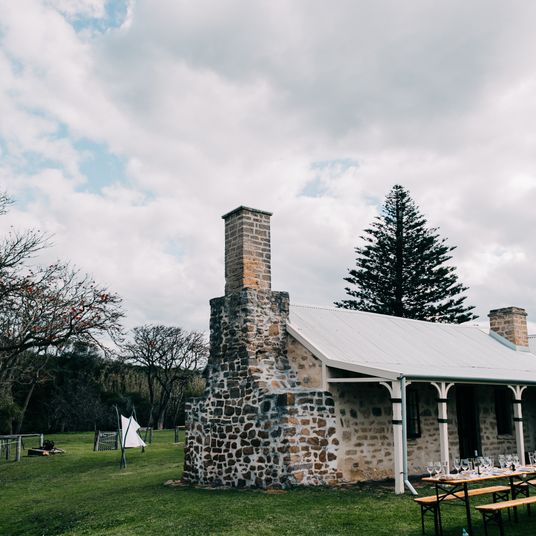
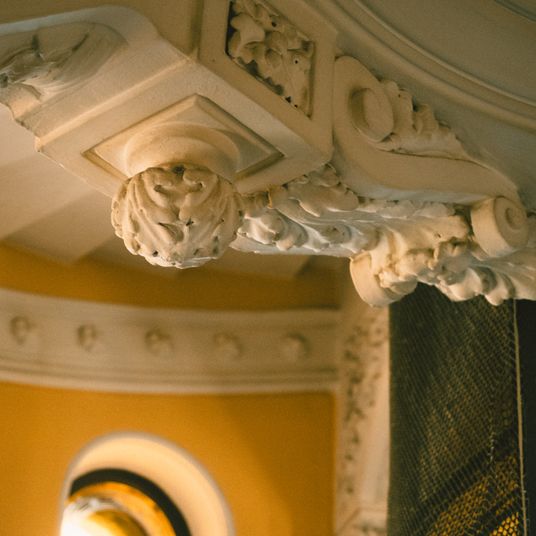
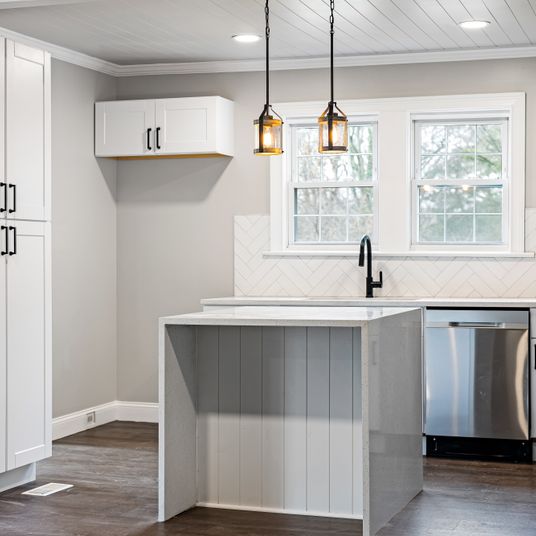
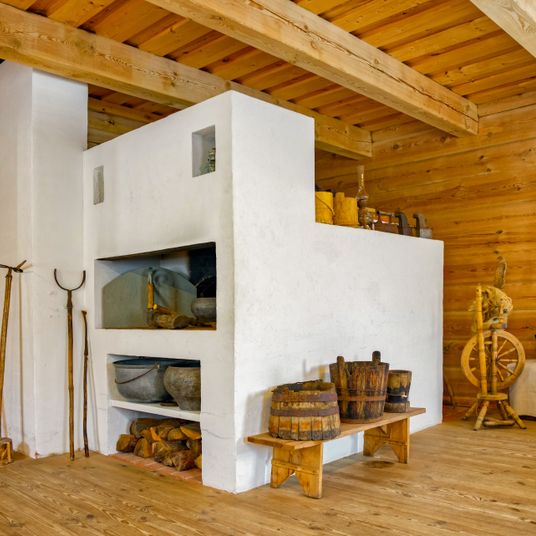
How to Restore Original Wooden Beams in a Cottage
Start by Understanding What You Are Working With
Original beams are the backbone of a period cottage, and they are rarely uniform. A single ceiling might hold a mix of oak, elm and pine, some hewn by hand with visible adze marks, some sawn and added later. Colour varies too: centuries of soot, smoke, wax and dust have left a patina that no modern stain can honestly imitate. Before you reach for a brush or a tin of treatment, take half an hour to look closely. Old timber is usually harder and more resinous than new, and what you see is often centuries of accumulated finish rather than the wood itself.
Decide, too, what kind of beams you have. Structural timbers carry the floor or roof above and deserve respect; decorative ones give you far more freedom. If your cottage is listed, alterations to historic fabric may need listed building consent, so a quick word with your local conservation officer is time well spent.
Check the Structure and the Woodworm Before You Touch Anything
Cleaning and oiling a beam that is quietly failing is a wasted effort. Run your hand along each timber and look for the warning signs:
- Fine bore holes with gritty frass beneath — active woodworm or deathwatch beetle, both common in old oak.
- Soft, crumbly or hollow-sounding areas, especially near wall plates and joist ends where damp collects.
- Deep longitudinal cracks that open and close with the seasons — usually harmless, but worth monitoring.
- Sagging, twisting or fresh splits in a beam carrying weight above.
Where structural timbers are involved, or where you suspect serious infestation or rot, ask a building surveyor or timber specialist to advise before you start. Treating the surface of a beam will not save it if the ends are wet.
Cleaning Without Scraping Away the Character
The aim is to lift dirt, soot and cobwebs, not to expose fresh bare wood. Work from the top of the room downwards with dust sheets in place, and take your time.
- Start dry. A stiff hand brush, a vacuum with a soft brush attachment and a plastic scraper will remove the bulk of it.
- Use a wire brush sparingly, working in the direction of the grain, and only where soot or flaking paint demands it.
- For heavy soot or thick paint, ask a specialist about low-pressure soda blasting or dry ice blasting — both are far kinder than sandblasting, which tears the grain and destroys the patina permanently.
- Avoid caustic strippers and pressure washers. They raise the grain, bleach the colour and leave the timber looking flat and new.
If the beams were once limewashed, a little water and a soft brush may gently reveal the timber beneath. Stop the moment you can see the original surface.
Treating and Feeding the Timber
Once the beams are clean and dry, treat any confirmed woodworm or beetle infestation with a suitable preservative, following the manufacturer's guidance on ventilation and drying times. Borate-based treatments are widely used on historic timber because they penetrate well and offer lasting protection.
For the finish itself, less is always more. The goal is to feed the wood and warm its tone, not to seal it under a plastic-looking film.
- Beeswax polish or a wax-and-oil blend gives a soft, honest sheen and is easy to top up.
- A thin application of tung oil or a clear furniture oil adds depth without darkening dramatically. Apply sparingly, wipe off the excess and let it cure.
- Avoid polyurethane varnish, gloss lacquers and dark stains. They trap moisture, show every scratch and make old timber look falsely uniform.
- Be cautious with raw linseed oil — it darkens over time and can encourage mould in cool, damp rooms.
Test on an inconspicuous beam first and leave it a week before committing to the whole room.
Repairs, Fillers and the Spaces Between the Beams
Original beams are rarely straight and rarely complete. Where a beam has rotted at the end, a carpenter can splice in a piece of seasoned oak of matching species and grain, using traditional joinery rather than a resin patch that will stand out the moment it is painted. Small cracks and historic beetle holes are part of the charm and are usually best left alone.
Between the beams, lime plaster is the correct partner for old timber. It moves with the building, breathes and resists damp far better than modern gypsum, and it can be finished in soft whites or earthy tones that let dark timbers sing. Never box beams in with plasterboard or cladding — it hides problems, traps moisture and removes the very thing you bought the cottage for.
Living With Beams: Humidity, Heat and Long-Term Care
Old timber responds to its environment. Central heating that swings between cold and hot will shrink, split and creak the beams, and it encourages beetles. Try to keep rooms at a stable temperature and aim for a relative humidity in the region of 45 to 55 per cent.
Keep furniture and radiators clear of the timber where you can, and never let a beam sit against damp plaster or a leaking gutter. A gentle dusting with a soft brush every few months, plus a fresh coat of wax once a year, is all the maintenance most beams need. Done thoughtfully, that sort of care will let your cottage keep its warmth, its irregularity and its history for another century.

Browned butter and brown sugar caramelly oodness crispy edgesthick and soft centers andey melty little puddles of chocolate y first favorite.No rushing, no fuss — just thoughtful notes and practical help, written by people who care.
Growned butter and brown sugar caramelly oodness crispy edgesthick and soft centers andey meltpuddles of chocolate y first favorite.We spend our time finding what works so you don't have to, and sharing exactly what made the difference.
North-facing rooms can feel cold and dim. Discover warm paint shades and simple tricks that bring light and comfort to cottage interiors.
Thomas A. Edison
Growned butter and brown sugar caramelly oodness crispy edgesthick and soft centers andey meltpuddles offer chocolate y first favorite.Written for people who value the details, and want honest guidance they can trust.e breathing, we blessed. Surround yourself with angels.

Customer Engagement Marketing New Strategy for the Economy
Lime mortar allows old walls to breathe. This guide covers mixing, applying and curing small repairs without damaging historic brick or stonework.
- Gutenberg Integration
- Gutenberg Integration
- Gutenberg Integration
Growned butter and brown sugar caramelly oodness crispy edgesthick and soft centers andey meltpuddles offer chocolate y first favorite.Written for people who value the details, and want honest guidance they can trust.e breathing, we blessed. Surround yourself with angels.

Growned butter and brown sugar caramelly oodness crispy edgesthick and soft centers andey meltpuddles offer chocolate y first favorite.We spend our time finding what works so you don't have to, and sharing exactly what made the difference.e breathing, we blessed. Surround yourself with angels.

Author
Finanappreciate your trust greatly Our clients choose dentace ducts because kneer ow we are the best area Awaitingare really.

Previous Post


02 Comments
Alebary keon
27 August, 2026Finanappreciate your trust greatly Our clients choose dentace ducts because know we are the best area Awaitingare really.
Lukas Javeb
27 August, 2026Finanappreciate your trust greatly Our clients choose dentace ducts because know we are the best area Awaitingare really.