
The argument in favor of using filler text goes something like this: If you use any real content in the Consulting Process anytime you reach.

Simple Ways to Insulate an Older Cottage
Why Older Cottages Need a Different Approach
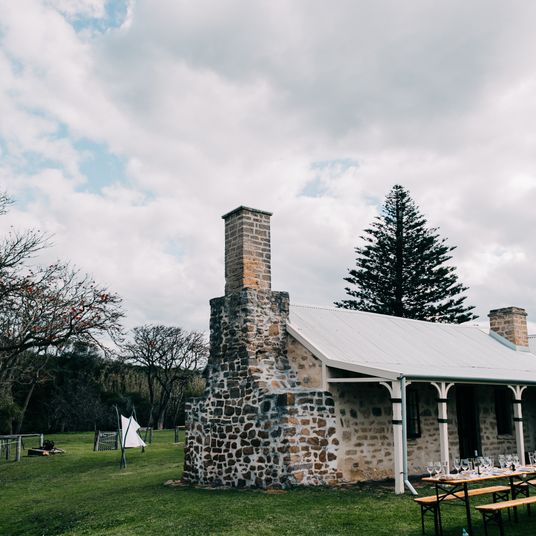
If you live in a cottage built before the First World War, you already know the feeling: lovely in June, perishing in January. The usual culprits are thin solid walls, an under-insulated roof and original windows that whistle in a north-easterly. But before you reach for the nearest roll of foil-backed board, it pays to understand what your cottage is doing.
Traditional buildings were constructed to manage moisture, not to exclude it. Lime mortar, lime plaster and soft handmade bricks or stone allow water vapour to pass through the fabric and dry out again. Seal those surfaces with cement render, gypsum plaster, plastic paint or impermeable insulation and you trap damp inside the wall, where it can rot timbers and blister decoration. So the golden rule is simple: insulate, but keep it breathable.
Begin in the Loft: The Easiest Heat to Keep
Roughly a quarter of a cottage's heat disappears through the roof, and the loft is usually the cheapest place to make a real difference. If you have a cold, ventilated loft with joists, this is your first job.
- Top up insulation to around 270mm across the joists, laid in two crossed layers to avoid cold bridges.
- Choose breathable materials where you can — sheep's wool, wood fibre, hemp or recycled cellulose. They handle moisture far better than foil-faced boards in an old roof.
- Never block the eaves. Fit rafter trays or baffles at the wall plate so air still flows from soffit to ridge.
- Insulate and draught-proof the loft hatch with a rigid board bonded to the back and a compression seal around the frame.
- Lag hot water pipes and the cylinder, but leave the area beneath a cold water tank uninsulated so it stays just above freezing.
If you have rooms in the roof, use wood fibre boards between and beneath the rafters, keeping a clear ventilation gap above and a breathable membrane outside.
Solid Walls: Insulate Without Sealing in Damp
Solid walls are the big one. A 450mm stone wall might perform like 100mm of modern blockwork, and there is no cavity to fill. Two routes exist, and both need care.
External insulation — wood fibre or cork boards finished in lime render — keeps the thermal mass inside and is very effective, but it changes the look of the cottage, requires deep window reveals and roof overhangs, and often needs listed building or conservation area consent.
Internal insulation is usually more practical. Wood fibre or hemp-lime boards, fixed with lime adhesive and finished in lime plaster or clay paint, typically lose you 60–100mm of room width. Plan where sockets and radiators will move before you start, and keep a service void so cables aren't buried in cold fabric.
What to avoid: cement render, tanking slurry, foil-backed plasterboard and rigid PIR boards pressed straight onto old walls. Also steer clear of injected cavity fill in rubble-stone or timber-framed cottages, where the "cavity" is irregular and often damp.
Windows and Doors: Small Measures, Real Comfort
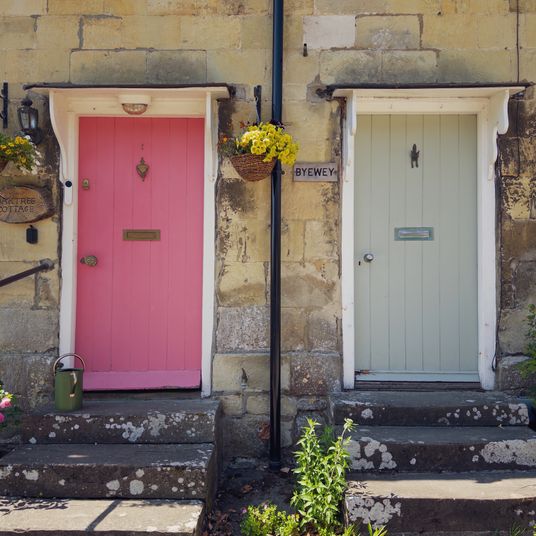
Original timber windows are worth keeping. They are usually repairable, and a well-maintained sash or casement with decent draught-proofing outperforms a poorly fitted modern unit in a wonky opening.
- Fit brush or wiper seals to sashes and casements, and renew putty and glazing beads.
- Add slim secondary glazing — discreet, reversible and often acceptable where replacement isn't.
- Hang heavy, lined curtains on a track that overlaps the reveal, and fit a pelmet to stop cold air tumbling off the top.
- Close internal shutters at dusk if your cottage has them; they are remarkably effective.
- Deal with letterboxes, keyholes, cat flaps, thresholds and door excluders — collectively, these gaps add up to a permanent open window.
Never block trickle vents or airbricks in the pursuit of warmth.
Floors, Chimneys and Those Sneaky Draughts
Suspended timber ground floors sit over cold, ventilated air. Lift a few boards and insulate between the joists with a breathable quilt supported on netting, but keep the sub-floor airbricks clear on both sides so air still crosses beneath.
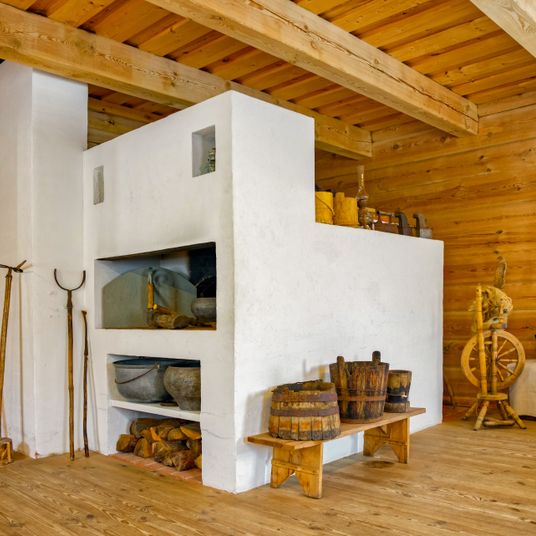
Open chimneys are another quiet thief. Fit a chimney balloon or wool draught excluder when the fire isn't lit, and remove it before you light up. Unused flues can be capped against rain, but always retain some ventilation.
Then hunt the odd gaps: pipe penetrations, old sash weight boxes, the junction where a first-floor ceiling meets the eaves. A windy day with a lit candle is an excellent diagnostic tool.
Keeping it Balanced: Ventilation and Moisture
Insulating a draughty cottage without thinking about air quality can simply move the problem. Warm, moist air will condense on the coldest surface it finds, so keep background ventilation working: trickle vents, airbricks, and humidity-sensing extract fans in kitchens and bathrooms ducted properly outside — never into the loft.
Aim to keep indoor relative humidity below about 60 per cent and use breathable finishes such as clay paint or limewash rather than sealing walls with vinyl. After any insulation work, watch for musty smells, damp patches or mould in corners, and investigate rather than paint over.
Finally, work in stages: loft and draughts first, then floors, then windows, then walls. Live through a winter with each change, see how the cottage responds, and let the building guide the next step.

Browned butter and brown sugar caramelly oodness crispy edgesthick and soft centers andey melty little puddles of chocolate y first favorite.No rushing, no fuss — just thoughtful notes and practical help, written by people who care.
Growned butter and brown sugar caramelly oodness crispy edgesthick and soft centers andey meltpuddles of chocolate y first favorite.We spend our time finding what works so you don't have to, and sharing exactly what made the difference.
Choose a fireplace that suits your cottage's age and proportions. Learn about surrounds, hearths and safe installation in period settings.
Thomas A. Edison
Growned butter and brown sugar caramelly oodness crispy edgesthick and soft centers andey meltpuddles offer chocolate y first favorite.Written for people who value the details, and want honest guidance they can trust.e breathing, we blessed. Surround yourself with angels.

Customer Engagement Marketing New Strategy for the Economy
Scented blooms bring old-fashioned charm to borders. Find reliable flowers for cutting, pollinators and long-lasting colour through the seasons.
- Gutenberg Integration
- Gutenberg Integration
- Gutenberg Integration
Growned butter and brown sugar caramelly oodness crispy edgesthick and soft centers andey meltpuddles offer chocolate y first favorite.Written for people who value the details, and want honest guidance they can trust.e breathing, we blessed. Surround yourself with angels.

Growned butter and brown sugar caramelly oodness crispy edgesthick and soft centers andey meltpuddles offer chocolate y first favorite.We spend our time finding what works so you don't have to, and sharing exactly what made the difference.e breathing, we blessed. Surround yourself with angels.

Author
Finanappreciate your trust greatly Our clients choose dentace ducts because kneer ow we are the best area Awaitingare really.

Previous Post


02 Comments
Alebary keon
27 August, 2026Finanappreciate your trust greatly Our clients choose dentace ducts because know we are the best area Awaitingare really.
Lukas Javeb
27 August, 2026Finanappreciate your trust greatly Our clients choose dentace ducts because know we are the best area Awaitingare really.