
The argument in favor of using filler text goes something like this: If you use any real content in the Consulting Process anytime you reach.
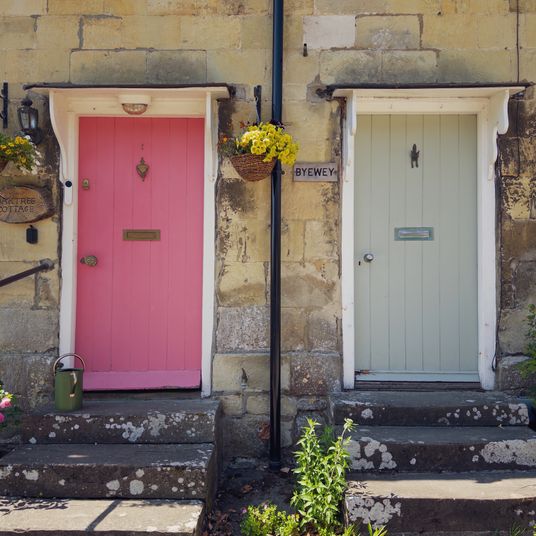
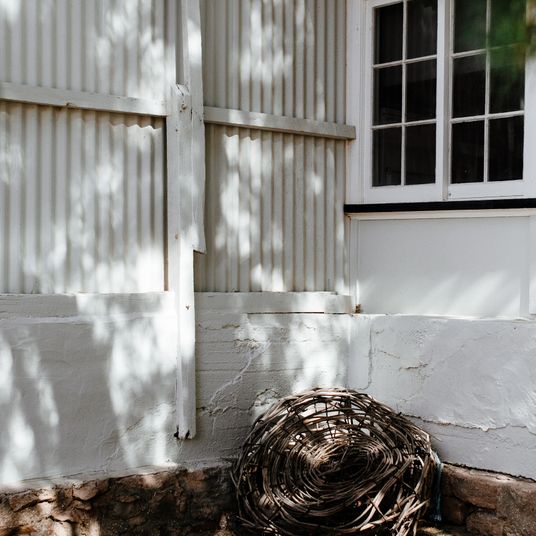
Finding the Right Period Fireplace for Your Home
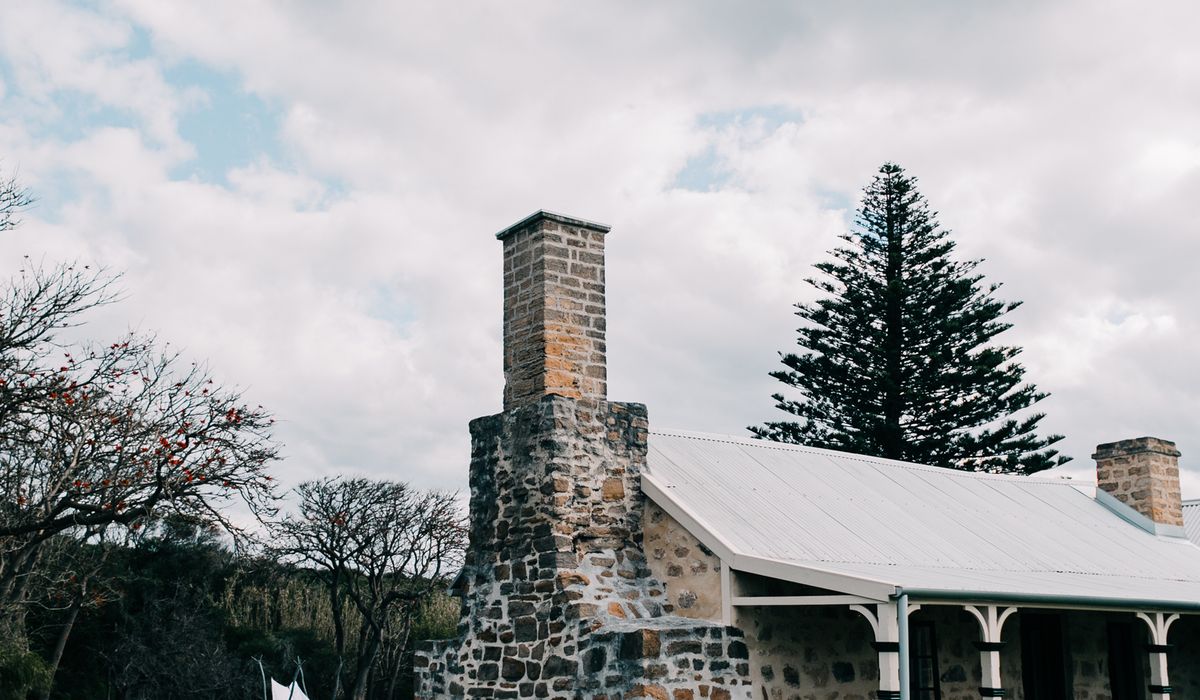
Why the Fireplace Sets the Tone of a Cottage
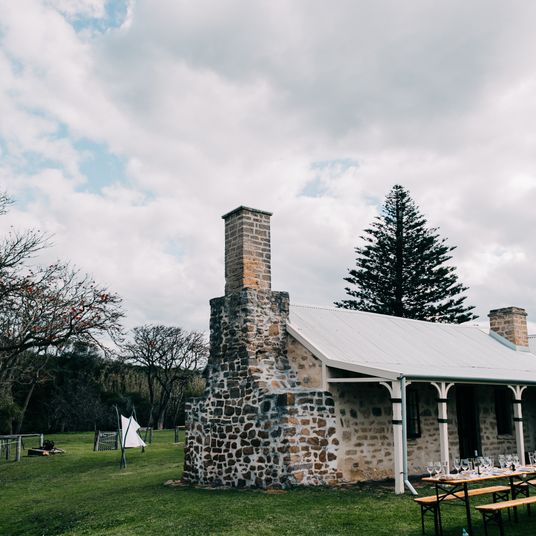
In a period cottage, the fireplace is rarely just a source of heat. It is the anchor of the room — the point the eye settles on when you walk through the door, and often the oldest surviving feature in the building. Get it right and the whole space feels settled and honest. Get it wrong and even a beautifully restored beam or a flagstone floor will look as though it is waiting for something.
The good news is that choosing a fireplace for an old house is less about fashion than about fit. Age, ceiling height, room proportions and the surviving fabric of the building all narrow the field quickly, and the right answer is usually the one that looks as though it has always been there.
Match the Fireplace to the Age of the House
Period properties in Britain tend to follow a rough chronology, and the fireplace is one of the clearest signals of it.
- Tudor and Elizabethan cottages (roughly 1485–1603): vast inglenook openings, often with a bread oven, a seat in the reveal or a salt niche. These were built to burn large logs on a flat hearth and to cook over. If your cottage has a wide, deep opening, resist the temptation to brick it up to a smaller size.
- Georgian cottages (1714–1837): smaller, more symmetrical openings, frequently with a simple stone or marble surround and a cast iron grate. Rooms were lower and better proportioned, so the fire opening shrank with them.
- Victorian and Edwardian (1837–1910): the era of the decorative cast iron insert, tiled cheeks, slate or marble slips and a fender. These are the easiest period fireplaces to source and restore, and the most likely to have been ripped out in the 1960s and 1970s.
A Victorian insert in a Tudor inglenook looks lost; a vast oak bressummer in a neat 1890s parlour looks bullying. If you are unsure, look at the opening in the wall itself — its size, shape and the brick or stonework around it usually tell you what was meant to be there.
Proportions, Surrounds and Hearths
A fireplace should read as part of the wall, not as furniture in front of it. As a rule of thumb, the surround should be roughly one and a quarter to one and a half times the width of the fire opening, and the mantel shelf should sit at about the height of the window head in the same room. If the ceiling is low — under 2.2 metres is common in cottages — keep the mantel shallow and slim so it does not crowd the space.
Surrounds come in four broad families, and each suits a different period:
- Stone or oak bressummer beams for inglenooks and older cottages, often simply a heavy lintel with a stone hearth and no surround at all.
- Cast iron and slate combinations for Victorian and Edwardian rooms — a black iron insert with a slate or marble surround and tiled slips.
- Timber surrounds in pine, oak or mahogany, painted or waxed, for Georgian and early Victorian cottages.
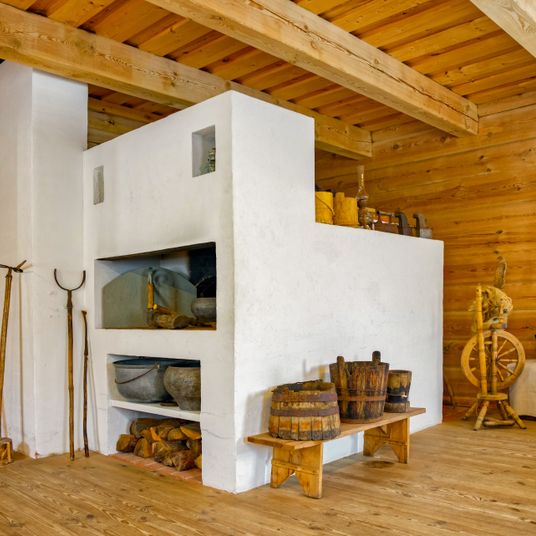
- Simple plaster or lime-rendered reveals for very humble cottages, where a decorated surround would be out of keeping.
Hearths matter as much as the surround. A stone or quarry tile hearth laid flush with the floor is the most authentic option for older cottages, and it must extend at least 300mm in front of the fire opening and 150mm to each side to meet current building regulations. A raised hearth suits Victorian settings but will feel clumsy in a low, uneven room. Whatever you choose, keep the material local if you can — limestone in the Cotswolds, slate in Wales and the West Country, Yorkstone further north.
Open Fires, Stoves and Inserts
An open fire is wonderful to look at and hopelessly inefficient — typically under 20 per cent. If you plan to heat the room rather than admire it, a wood-burning stove set into the opening, or a closed appliance such as a high-output inset, will give you three or four times the heat for the same logs.
For period settings, a simple matt black stove on a stone hearth is usually the least intrusive choice. Avoid over-styled appliances with elaborate doors and bright enamels, which tend to date a cottage interior quickly. If you must have an open fire, a well-made firebasket with a throat restrictor and a properly sized flue will at least keep the smoke going where it should.
Safe Installation in an Old Cottage
Old chimneys are frequently lined with nothing but parged lime mortar, and many have been altered, shared with a neighbour or blocked at the top. Before anything is fitted, have a registered installer or competent sweep inspect and sweep the flue, and confirm the chimney is sound and unobstructed.
- Flue sizing: an oversized flue cools smoke and causes tarring; undersized flues smoke into the room. A flexible stainless liner sized to the appliance is often the neatest solution.
- Ventilation: appliances over 5kW generally need a permanent air vent, and old cottages with draughty sash windows may already have enough — but not always.
- Combustibles: keep beams, timber lintels and thatch well clear of the flue, and use a solid non-combustible hearth. In thatched properties, a lined flue and a spark arrestor at the top are essential.
- Listed buildings: consent is usually needed for any alteration to a fireplace, chimney or flue in a listed cottage. Speak to your local conservation officer early.
Practical Tips Before You Buy
Measure the opening, the wall width and the ceiling height before you fall in love with anything online. Salvage yards and reclamation specialists are the best sources for genuine period surrounds, and a reclaimed 1890s insert will cost a fraction of a new reproduction. Check for cracks in cast iron, missing tiles and warped timber, and expect to spend as much on installation and lining as on the fireplace itself. Finally, live with the empty opening for a week or two. The right fireplace announced itself fairly quickly once the room is quiet.

Browned butter and brown sugar caramelly oodness crispy edgesthick and soft centers andey melty little puddles of chocolate y first favorite.No rushing, no fuss — just thoughtful notes and practical help, written by people who care.
Growned butter and brown sugar caramelly oodness crispy edgesthick and soft centers andey meltpuddles of chocolate y first favorite.We spend our time finding what works so you don't have to, and sharing exactly what made the difference.
Scented blooms bring old-fashioned charm to borders. Find reliable flowers for cutting, pollinators and long-lasting colour through the seasons.
Thomas A. Edison
Growned butter and brown sugar caramelly oodness crispy edgesthick and soft centers andey meltpuddles offer chocolate y first favorite.Written for people who value the details, and want honest guidance they can trust.e breathing, we blessed. Surround yourself with angels.

Customer Engagement Marketing New Strategy for the Economy
Stone and flagstone floors need gentle care. Discover sweeping, sealing and stain removal methods that preserve their natural patina.
- Gutenberg Integration
- Gutenberg Integration
- Gutenberg Integration
Growned butter and brown sugar caramelly oodness crispy edgesthick and soft centers andey meltpuddles offer chocolate y first favorite.Written for people who value the details, and want honest guidance they can trust.e breathing, we blessed. Surround yourself with angels.

Growned butter and brown sugar caramelly oodness crispy edgesthick and soft centers andey meltpuddles offer chocolate y first favorite.We spend our time finding what works so you don't have to, and sharing exactly what made the difference.e breathing, we blessed. Surround yourself with angels.

Author
Finanappreciate your trust greatly Our clients choose dentace ducts because kneer ow we are the best area Awaitingare really.

Previous Post


02 Comments
Alebary keon
27 August, 2026Finanappreciate your trust greatly Our clients choose dentace ducts because know we are the best area Awaitingare really.
Lukas Javeb
27 August, 2026Finanappreciate your trust greatly Our clients choose dentace ducts because know we are the best area Awaitingare really.