
The argument in favor of using filler text goes something like this: If you use any real content in the Consulting Process anytime you reach.

Understanding Listed Building Consent for Homeowners
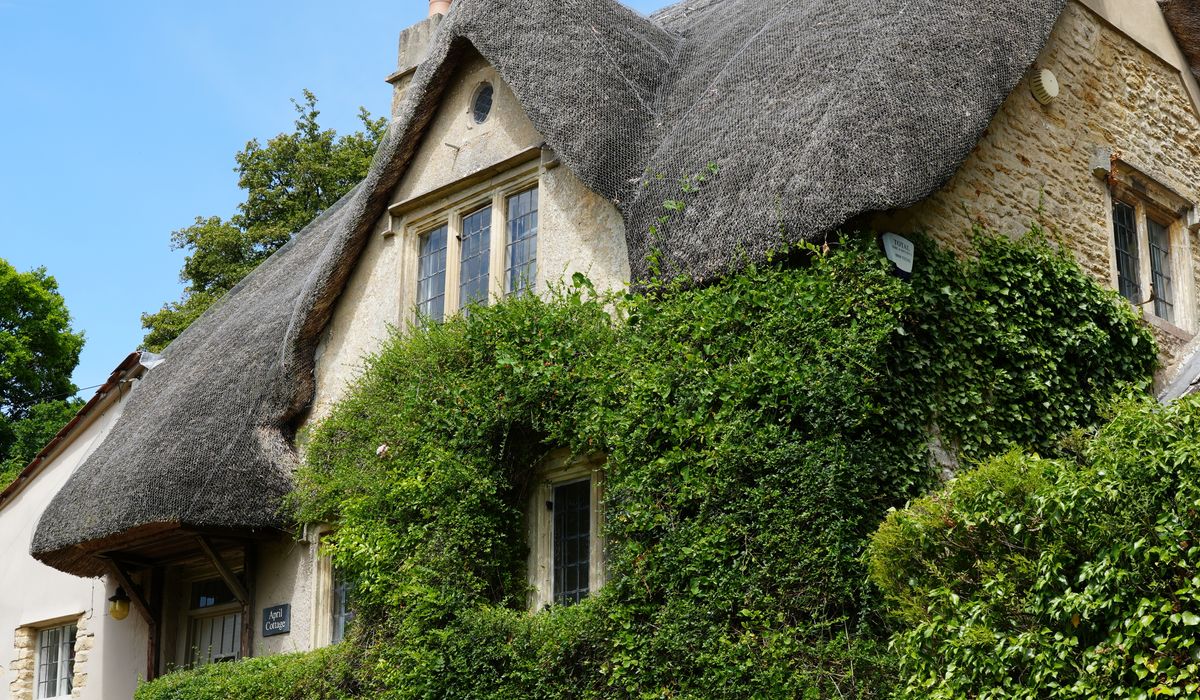
What Listing Actually Protects
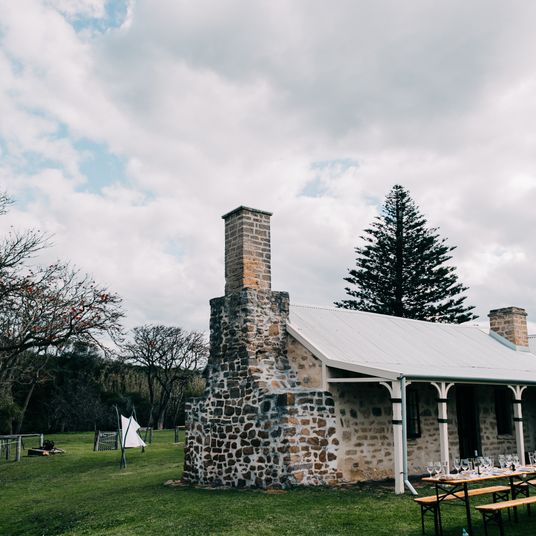
Listing is widely misunderstood. It does not freeze a cottage in time, and it certainly does not mean you can never change a thing. What it does mean is that the whole building is protected — inside and out — and usually any pre-1948 structure within its curtilage, such as a stone outbuilding, a garden wall or a privy. Grade I and II* buildings are the rarest and most sensitive; the great majority of period cottages are Grade II, which is still a serious designation but leaves sensible room for manoeuvre.
That protection covers far more than the front elevation. Internal partitions, staircases, fireplaces, ceiling beams, panelling, historic doors and even the handmade roof tiles are all part of what makes the building special. Painting over a historic wall surface, rerouting a soil pipe or removing a cupboard built into a chimney breast can all count as alterations.
When You Need Listed Building Consent
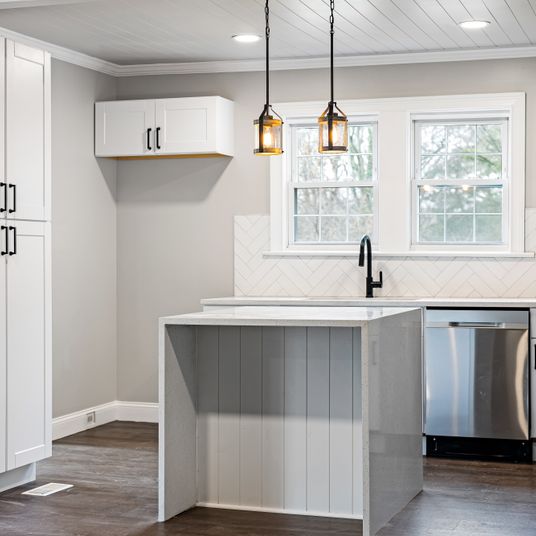
Listed building consent (LBC) is separate from planning permission, and you may need one, both or neither. As a rule of thumb, consent is required for any works that would affect the building's character as a building of special architectural or historic interest. That includes demolition, extension, altering openings, replacing windows, new heating routes, damp-proofing, and often the installation of a new kitchen or bathroom in a historic room.
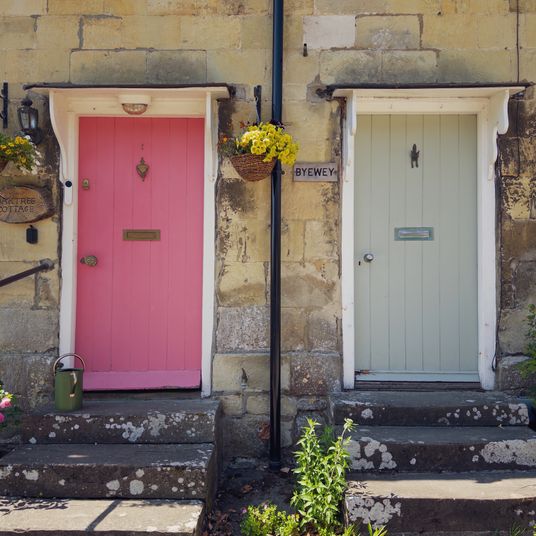
Straight repairs using matching materials, carried out like for like, generally do not need consent. Replacing a rotten section of a timber window frame with pine and repairing it to the same profile is maintenance. Replacing the entire window with uPVC is not.
Consent applications to your local planning authority are free, though they take around eight weeks, and the clock only starts when the officer has everything they need. Unauthorised works are a criminal offence, so it pays to ask before you lift a crowbar.
What to Gather Before You Apply
A strong application is mostly paperwork, and doing it properly the first time saves months of toing and froing.
- Measured and existing drawings of the rooms, elevations and roof you intend to touch, plus proposed drawings clearly showing what is new.
- A heritage statement setting out the building's history, its significance and why your scheme is the least harmful way of achieving what you want.
- A photographic schedule of the areas in question, with the historic fabric identified.
- A structural survey from an engineer who has worked on timber-framed or cob buildings before, especially if you plan to remove a wall or open up a ceiling.
- A damp and timber survey and, where relevant, a bat survey — bats are a protected species, and roof works often need an ecologist's report.
- A schedule of works listing materials and methods, such as lime mortar, breathable paints and traditional joinery profiles.
Working With Your Conservation Officer
The conservation officer is not an obstacle to be outmanoeuvred. They are usually the person with the deepest knowledge of local historic buildings, and they respond well to homeowners who arrive early, ask questions and listen. Book a pre-application meeting, take them round the cottage, and ask directly what they value most about it. You will often find them far more open than the horror stories suggest.
Speak their language. "Reversible" and "minimal intervention" are music to a conservation officer's ears, because they mean a future owner can undo your changes without loss. Avoid the assumption that a modern solution is the only solution — sometimes repairing is cheaper than replacing anyway. If you disagree with a decision, ask for the reasoning in writing; it is usually easier to adjust a scheme than to appeal.
Sensitive Upgrades That Tend to Win Approval
Most cottage owners want the same things: warmth, light, a decent kitchen and a bathroom that does not leak. Plenty of that is achievable with the right approach.
- Breathable materials — lime plaster and lime mortar let old walls dry out, while cement and gypsum trap moisture and cause the damp problems people then try to fix with chemical injections.
- Draught-proofing and secondary glazing rather than wholesale window replacement, along with repairing and servicing shutters.
- Insulation in lofts, under floors and on internal walls where it does not alter the external appearance, using vapour-permeable products.
- Conservation roof lights on a rear slope, or a carefully sited dormer, when you need more light.
- New services routed through cupboards, voids and floors rather than chased into historic walls.
Mistakes That Cost Time and Money
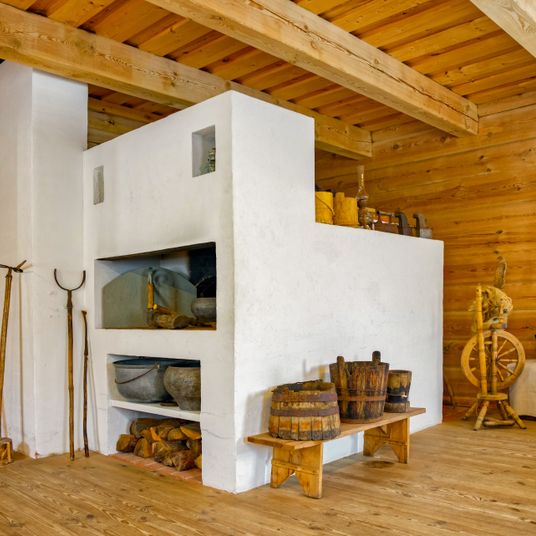
The most common error is buying first and asking later, assuming a tired cottage gives you a free hand. It does not, and enforcement can require you to reverse the work at your own expense. Stripping out "modern" features that turn out to be historic — a Victorian range, a plank partition, an old bread oven — is another regular heartbreak.
Keep a clear file: approved drawings, officer correspondence, photographic records of everything you uncover, and receipts for materials used. If you come to sell, that record is gold. And if a scheme is refused, do not assume the answer is no forever — scaling back, moving an extension or rethinking materials often unlocks consent that a fresh application on the same idea never would.

Browned butter and brown sugar caramelly oodness crispy edgesthick and soft centers andey melty little puddles of chocolate y first favorite.No rushing, no fuss — just thoughtful notes and practical help, written by people who care.
Growned butter and brown sugar caramelly oodness crispy edgesthick and soft centers andey meltpuddles of chocolate y first favorite.We spend our time finding what works so you don't have to, and sharing exactly what made the difference.
Older cottages lose heat through roofs, walls and windows. Explore breathable insulation options that improve comfort without trapping damp.
Thomas A. Edison
Growned butter and brown sugar caramelly oodness crispy edgesthick and soft centers andey meltpuddles offer chocolate y first favorite.Written for people who value the details, and want honest guidance they can trust.e breathing, we blessed. Surround yourself with angels.

Customer Engagement Marketing New Strategy for the Economy
Choose a fireplace that suits your cottage's age and proportions. Learn about surrounds, hearths and safe installation in period settings.
- Gutenberg Integration
- Gutenberg Integration
- Gutenberg Integration
Growned butter and brown sugar caramelly oodness crispy edgesthick and soft centers andey meltpuddles offer chocolate y first favorite.Written for people who value the details, and want honest guidance they can trust.e breathing, we blessed. Surround yourself with angels.

Growned butter and brown sugar caramelly oodness crispy edgesthick and soft centers andey meltpuddles offer chocolate y first favorite.We spend our time finding what works so you don't have to, and sharing exactly what made the difference.e breathing, we blessed. Surround yourself with angels.

Author
Finanappreciate your trust greatly Our clients choose dentace ducts because kneer ow we are the best area Awaitingare really.

Previous Post


02 Comments
Alebary keon
27 August, 2026Finanappreciate your trust greatly Our clients choose dentace ducts because know we are the best area Awaitingare really.
Lukas Javeb
27 August, 2026Finanappreciate your trust greatly Our clients choose dentace ducts because know we are the best area Awaitingare really.