
The argument in favor of using filler text goes something like this: If you use any real content in the Consulting Process anytime you reach.


A Beginner's Guide to Lime Mortar Repairs

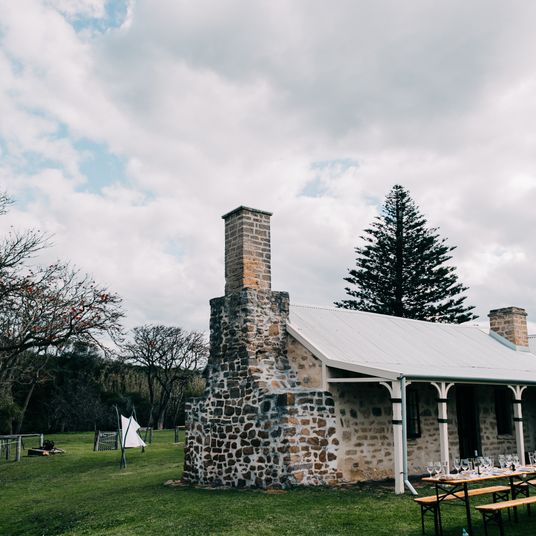
There is something quietly satisfying about repairing an old wall with the same material that built it. If you live in a period cottage, that material is almost certainly lime mortar, and understanding how it behaves is the single most useful thing you can learn before you pick up a pointing iron.
Why Old Walls Need Lime
Traditional cottages were built to move. Brick, stone and timber expand and contract with the seasons, and the mortar between them was designed to be the soft, sacrificial part of the structure. Lime mortar is vapour-permeable, meaning moisture can pass through it and evaporate away, and it is weaker than the masonry it holds, so any movement shows up as a hairline crack in the mortar rather than a shattered brick.
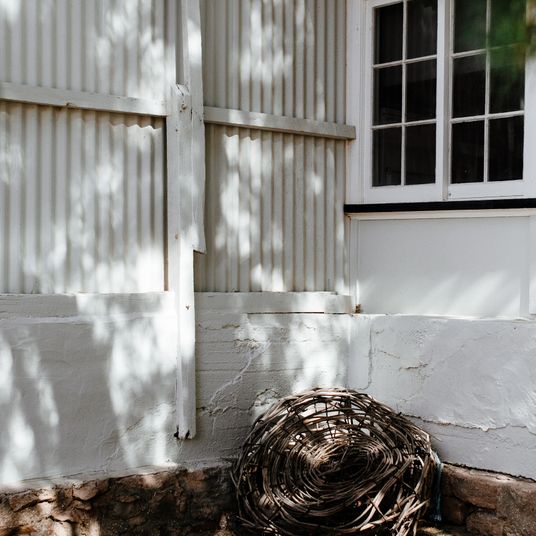
Cement changed all that. Hard, brittle and largely waterproof, cement pointing traps moisture inside the wall. That water has to go somewhere, so it finds its way out through the brick or stone face, and after a few winters you get spalling, crumbling edges and frost damage. The rule that matters most is this: your repair mortar must always be softer, weaker and more porous than the material around it. Get that right and everything else follows.
Before You Mix Anything: Assess the Damage
Not every crack needs attention. Some are historic and stable, and repointing them can do more harm than good. Walk the wall in good daylight and look for genuinely failed mortar: joints that are hollow, sandy, deeply washed out or crumbly enough to scrape with a fingernail.
- Probe suspect joints with an old screwdriver. Soft, gritty mortar that falls away needs repointing.
- Check the brick or stone itself. If the faces are sound, repointing is the whole job.
- Look for the cause first. Blocked gutters, dripping downpipes, cracked render and raised ground levels against the wall all push water into masonry.
- Never seal a damp wall with cement render or waterproof paint. You will simply move the problem deeper into the fabric.
Fix the water first. Then repair the mortar. That order saves a great deal of wasted effort.
Choosing Your Lime and Sand
Two families of lime matter for cottage repairs. Non-hydraulic lime putty is the fattest, most breathable and slowest-setting option, ideal for soft Victorian bricks, cob and internal work. Natural hydraulic lime (graded as NHL 2, 3.5 or 5) sets by reaction with water as well as by air, making it a better choice for exposed external walls, damp conditions and cooler weather.
Sand is just as important as the binder. Use sharp, well-graded sand, typically 0–4mm, and match the colour and grit of the original mortar as closely as you can. Avoid soft building sand, which is too fine and often too clay-rich. Typical mixes by volume are one part lime putty to two and a half or three parts sand, or one part NHL 3.5 to two and a half or three parts sand for bedding, slightly leaner for pointing. Never add a splash of cement for strength. That single shortcut undoes the entire point of the repair.
Mixing and Handling
Aim for the consistency of thick double cream for pointing, and a little stiffer for filling deeper patches. Add sand to the lime, not the other way round, and introduce water gradually. Lime putty straight from the tub is ready to use; natural hydraulic lime benefits from ten minutes or so of resting after mixing.
- Mix small batches. Hydraulic lime mixes are best used within an hour or so.
- Lime putty stored sealed and damp will keep for many months.
- Wear gloves and eye protection. Lime is caustic and unpleasant on skin, especially in wet mixes.
Raking Out and Applying the Repair
Rake the joint out to roughly one and a half to two and a half times its width — usually 15–25mm deep — with a square bottom, not a V shape. Brush out the dust, then damp the joint down with a soft brush and clean water. Damp, not dripping: a dry wall will suck the water out of your mortar before it has a chance to cure.
Pack the mortar in firmly with a pointing iron or blunt chisel, building up in layers no thicker than about 20mm and letting each one stiffen before the next. Work from the bottom of the wall upwards. Finish when the mortar has begun to firm but is still workable, matching the original profile — usually flush or very slightly recessed. Avoid over-working the surface or brushing it with water, which weakens the skin. Wipe any smears off the brick faces while still soft, using a dry brush.
Curing, Weather and the Long Game
Lime does not dry so much as carbonate, and that process needs both air and moisture. Keep the new work damp for the first three to seven days by misting it with water or draping hessian over the wall. Protect it from direct sun, drying wind, heavy rain and frost during that period.
- Work in temperatures between about 5°C and 25°C, ideally in spring or early autumn.
- Do not apply lime in frosty weather, and cover the wall if a frost is forecast.
- Allow several weeks for a full set before judging the colour, which will pale as it cures.
- Finish with a breathable limewash rather than an impermeable masonry paint.
Inspect the repair the following spring. Hairline shrinkage cracks are normal and often close themselves over time. Done properly, a lime repair should last decades, weather gracefully and remain easy to rake out and redo — which is exactly what the next custodian of your cottage will thank you for.

Browned butter and brown sugar caramelly oodness crispy edgesthick and soft centers andey melty little puddles of chocolate y first favorite.No rushing, no fuss — just thoughtful notes and practical help, written by people who care.
Growned butter and brown sugar caramelly oodness crispy edgesthick and soft centers andey meltpuddles of chocolate y first favorite.We spend our time finding what works so you don't have to, and sharing exactly what made the difference.
Even a tiny plot can host cottage-style planting. Use pots, borders and climbers to create colour, scent and seasonal interest.
Thomas A. Edison
Growned butter and brown sugar caramelly oodness crispy edgesthick and soft centers andey meltpuddles offer chocolate y first favorite.Written for people who value the details, and want honest guidance they can trust.e breathing, we blessed. Surround yourself with angels.

Customer Engagement Marketing New Strategy for the Economy
Listed buildings need careful changes. Understand when consent is required, what surveys to gather and how to work with local conservation officers.
- Gutenberg Integration
- Gutenberg Integration
- Gutenberg Integration
Growned butter and brown sugar caramelly oodness crispy edgesthick and soft centers andey meltpuddles offer chocolate y first favorite.Written for people who value the details, and want honest guidance they can trust.e breathing, we blessed. Surround yourself with angels.

Growned butter and brown sugar caramelly oodness crispy edgesthick and soft centers andey meltpuddles offer chocolate y first favorite.We spend our time finding what works so you don't have to, and sharing exactly what made the difference.e breathing, we blessed. Surround yourself with angels.

Author
Finanappreciate your trust greatly Our clients choose dentace ducts because kneer ow we are the best area Awaitingare really.

Previous Post


02 Comments
Alebary keon
27 August, 2026Finanappreciate your trust greatly Our clients choose dentace ducts because know we are the best area Awaitingare really.
Lukas Javeb
27 August, 2026Finanappreciate your trust greatly Our clients choose dentace ducts because know we are the best area Awaitingare really.