
The argument in favor of using filler text goes something like this: If you use any real content in the Consulting Process anytime you reach.
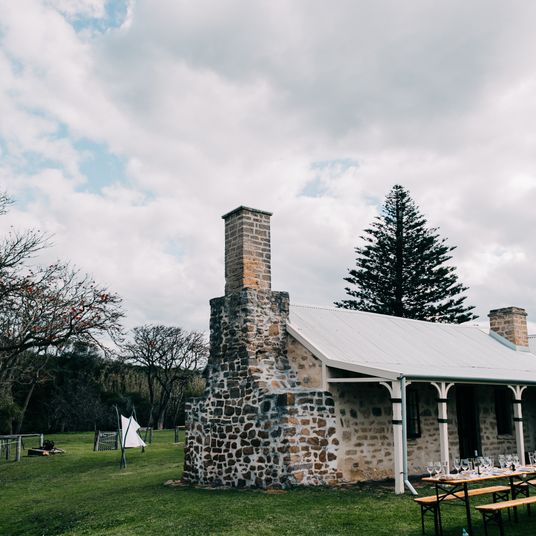
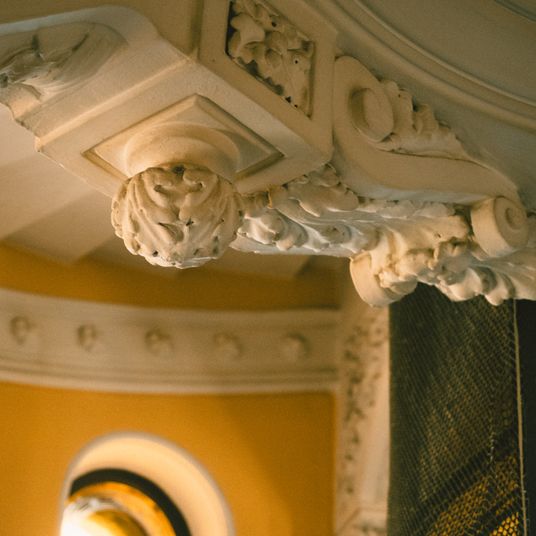
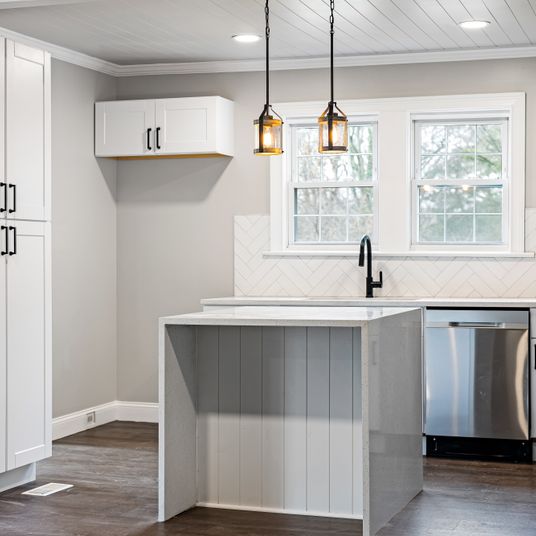
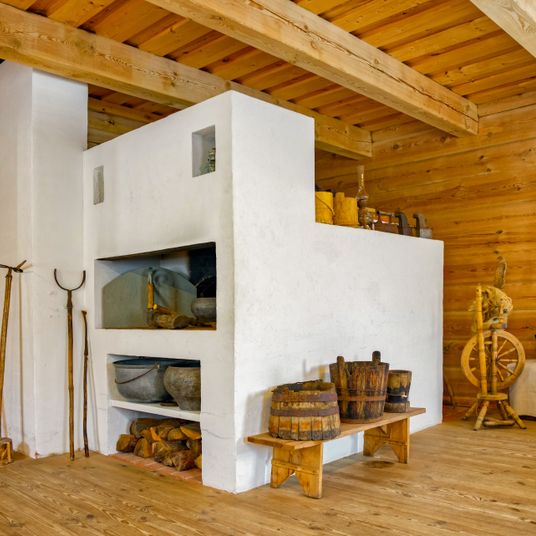
Keeping a Cottage Warm Without Losing Character
Start With the Building, Not the Boiler
Old cottages were built to breathe. Solid walls, lime plaster, timber frames and suspended floors all manage moisture in ways modern sealed construction never had to. If you begin by adding cement render, foil-backed boards or impermeable sealants, you trap damp inside the very walls that were quietly keeping the house dry. In a period home, warmth and dampness are two sides of the same coin.
The sensible order of work is draughts first, then windows, floors and soft furnishings, and only then heating. Each step is cheap, gentle and reversible, and each one makes the next more effective. Above all, aim to stop moving air where you do not want it, while leaving the fabric of the cottage able to dry out.
Draught Proofing Without Sealing Everything Shut
Draughts are the cheapest heat loss to fix, and the most commonly overdone. Work around the house room by room with a candle or a damp hand on a windy day to find the culprits:
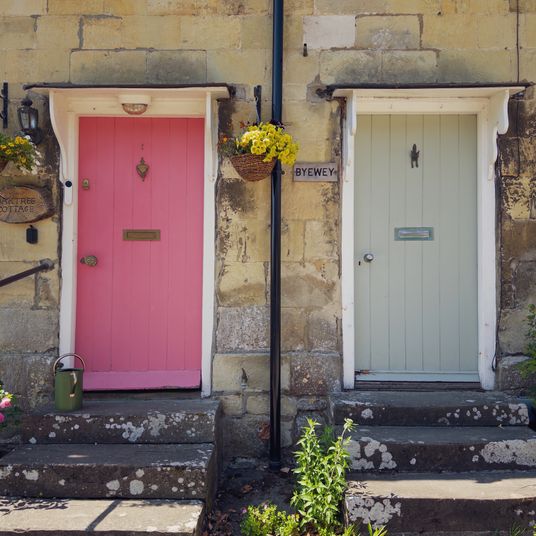
- Doors: fit brush or wiper seals to the frame, not the door, so the door still closes sweetly. A traditional fabric sausage along the bottom works as well as anything and can be lifted out of the way in summer.
- Sash windows: brush seals at the staff beads and a slim strip at the meeting rail will cut the worst of it while leaving the sash running freely. Never run mastic around a sash; you will regret it the first warm day.
- Floorboards: gaps between boards can be filled with thin foam strips pushed below the surface, or a felt strip tacked discreetly. Seal at the room side only. The ventilated void beneath a suspended timber floor must keep breathing, or the joists will rot.
- Chimneys: an unused flue is a chimney-sized hole in your heating. A chimney balloon or a sheep of loft insulation stuffed into the throat, with a note pinned to the mantel to remind you, saves a surprising amount. Never block a flue that serves a fire you still light.
- Small openings: letterbox brushes, keyhole covers and an escutcheon plate on the front door make a difference disproportionate to their cost.
One caution: an open fire, a paraffin heater, a gas hob or a solid fuel stove all need a permanent supply of fresh air. Leave air bricks and trickle vents alone.
Curtains, Shutters and the Art of Window Dressing
Heavy curtains are the period answer to single glazing, and they still work. Choose natural fabrics with a generous fullness, line them well, and interline the living room pair with a layer of bump or domett for real weight. Floor-length curtains, with a pelmet or a valance to stop cold air spilling over the top, hold warmth far better than sill-length ones.
Where original shutters survive, use them. A closed panelled shutter creates a still pocket of air against the glass, and folding them back by day lets the sun do its work. Draw curtains at dusk and open them at first light, even in winter — a south-facing window can bring in real warmth on a bright frosty morning.
Floors, Rugs and Cold Feet
Flagstones and brick floors are beautiful and freezing. A thick wool rug with a felt or wool underlay takes the chill off instantly and adds sound insulation. Avoid rubber-backed underlays over stone, as they trap moisture against the floor; lift rugs occasionally to let the surface dry. A stair runner does the same job on landings and stairs, and makes a cottage feel warmer underfoot than any thermostat setting.
Choosing Heat That Suits an Old House
A wood burning stove set into an inglenook is the classic cottage solution, and a good one, provided the flue is right, the wood is properly seasoned, and the room keeps its air supply. Radiators still have their place, particularly under windows, where they act as a gentle thermal curtain against the glass.
- Zone the house. Thermostatic valves on bedroom radiators, and doors kept shut, mean you heat the rooms you actually use.
- Bring the temperature down. Turning the thermostat down by one degree typically knocks around a tenth off your heating bill, and most people never notice the difference in a well-draught-proofed room.
- Deal with damp air. A dehumidifier takes the raw edge off a cottage that feels cold even when the thermometer says otherwise. Dry air at eighteen degrees feels warmer than damp air at twenty.
- Think twice before underfloor heating. It can be done sympathetically, but it is disruptive, expensive, and must be built with breathable materials if you are laying it over stone.
Living With the Rhythms of the House
Period cottages reward a certain daily ritual: curtains drawn at dusk, doors closed behind you, the fire lit when the day turns, a hot water bottle at the foot of the bed. None of it is expensive. All of it respects the fabric of a building that has already kept people warm for two or three centuries, with far less to work with than you have now.

Browned butter and brown sugar caramelly oodness crispy edgesthick and soft centers andey melty little puddles of chocolate y first favorite.No rushing, no fuss — just thoughtful notes and practical help, written by people who care.
Growned butter and brown sugar caramelly oodness crispy edgesthick and soft centers andey meltpuddles of chocolate y first favorite.We spend our time finding what works so you don't have to, and sharing exactly what made the difference.
Period windows and doors deserve suitable dressings. Compare fabrics, linings and hanging methods that balance privacy, warmth and style.
Thomas A. Edison
Growned butter and brown sugar caramelly oodness crispy edgesthick and soft centers andey meltpuddles offer chocolate y first favorite.Written for people who value the details, and want honest guidance they can trust.e breathing, we blessed. Surround yourself with angels.

Customer Engagement Marketing New Strategy for the Economy
Old brick and stone walls add texture and history. Learn how to repoint, clean and protect them using sympathetic materials and methods.
- Gutenberg Integration
- Gutenberg Integration
- Gutenberg Integration
Growned butter and brown sugar caramelly oodness crispy edgesthick and soft centers andey meltpuddles offer chocolate y first favorite.Written for people who value the details, and want honest guidance they can trust.e breathing, we blessed. Surround yourself with angels.

Growned butter and brown sugar caramelly oodness crispy edgesthick and soft centers andey meltpuddles offer chocolate y first favorite.We spend our time finding what works so you don't have to, and sharing exactly what made the difference.e breathing, we blessed. Surround yourself with angels.

Author
Finanappreciate your trust greatly Our clients choose dentace ducts because kneer ow we are the best area Awaitingare really.

Previous Post


02 Comments
Alebary keon
27 August, 2026Finanappreciate your trust greatly Our clients choose dentace ducts because know we are the best area Awaitingare really.
Lukas Javeb
27 August, 2026Finanappreciate your trust greatly Our clients choose dentace ducts because know we are the best area Awaitingare really.