
The argument in favor of using filler text goes something like this: If you use any real content in the Consulting Process anytime you reach.

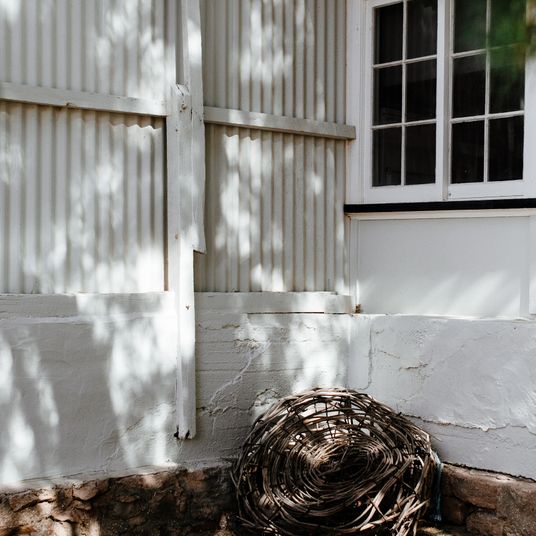
Making Natural Cleaning Products for Period Homes
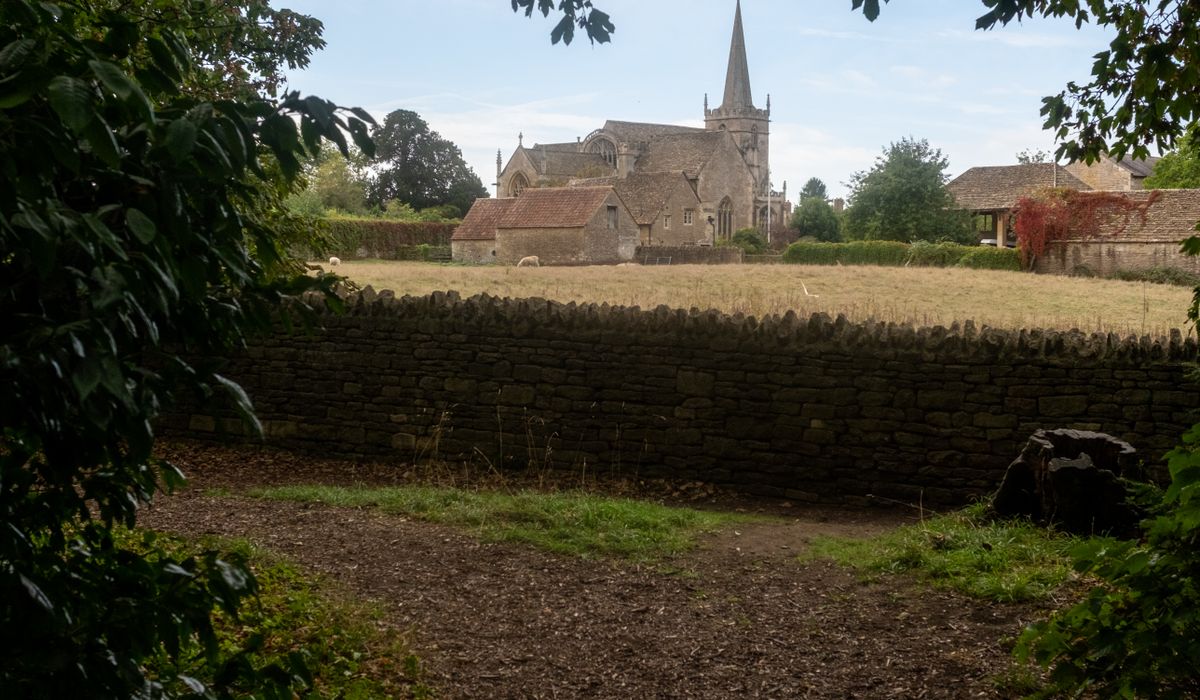
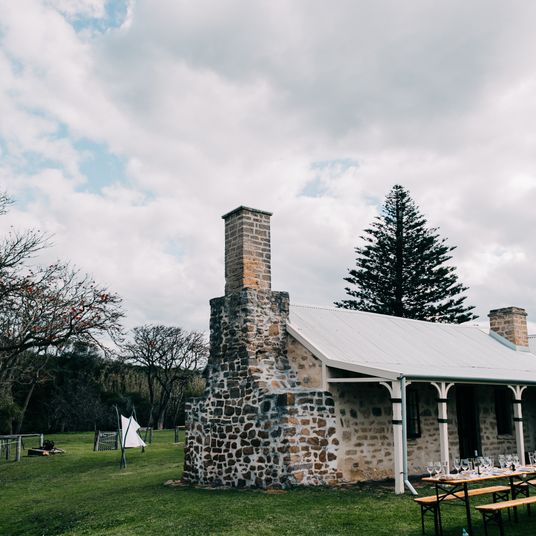
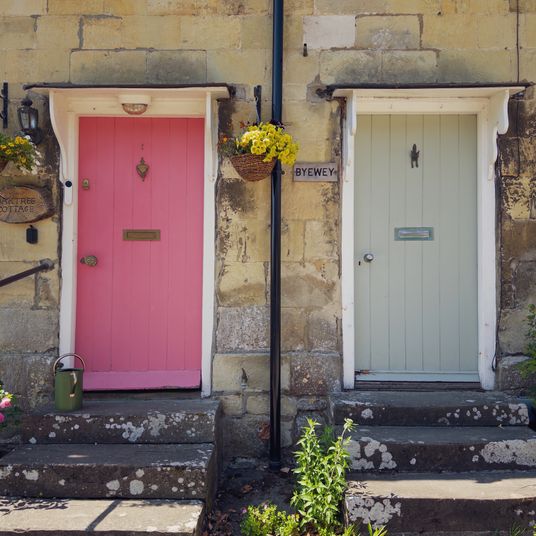
There is a particular smell to an old cottage — beeswax, soot, damp stone, and something faintly sweet from the lime plaster. It is a smell that aggressive supermarket cleaners destroy within minutes. Period homes were built from materials that breathe: lime, clay, soft timber, quarry tile, flagstone. Harsh detergents, bleach sprays and abrasive powders strip them of their patina, dry out old oak and leave residue in porous surfaces that never quite rinses away. The good news is that the gentlest cleaners are also the cheapest, and most of them live in your kitchen cupboard already.
Start with a Store Cupboard Kit
You do not need a laboratory. Assemble a modest set of ingredients and a few empty spray bottles, and you can clean almost every surface in a period cottage.
- White vinegar — descales, cuts grease, dissolves hard-water film on taps and tiles.
- Bicarbonate of soda — a fine, gentle abrasive for scouring without scratching.
- Citric acid powder — for limescale, kettles and toilet bowls; kinder to old enamel than vinegar alone.
- Castile or pure liquid soap — the workhorse for floors and painted surfaces.
- Beeswax or linseed oil — for feeding timber rather than stripping it.
- Essential oils — lavender, tea tree or eucalyptus for scent and mild antibacterial action.
Keep vinegar and bicarbonate separate until the moment of use. Mixed together they simply fizz into salty water and lose most of their cleaning power.
Everyday Sprays for Painted Walls and Woodwork
Old lime-washed or distemper-painted walls should never be scrubbed wet. A spray that is mostly water, with just enough soap to lift fingerprints, is the safest approach.
Combine 250ml warm water, a teaspoon of liquid soap and a teaspoon of white vinegar in a spray bottle. Add five drops of lavender oil if you like. Mist onto a cloth rather than the wall itself, then wipe gently and dry immediately with a second cloth. Work in small sections and stop if the paint begins to soften — some old distemper will lift if it gets too wet.
For glossed skirting boards and door frames, the same spray works well. Follow with a beeswax polish to keep the finish supple rather than brittle.
Feeding Old Timber: A Beeswax Polish
Bare or oiled wood — oak beams, elm floorboards, a Victorian dresser — responds beautifully to a simple wax. Melt 50g of beeswax in a bowl over simmering water, then stir in 200ml of food-grade linseed oil or a light olive oil. Pour into a jar and leave to set.
Apply a small amount with a soft cloth, working along the grain, then buff after twenty minutes. On very dry beams, leave it overnight before buffing. This feeds the timber instead of sealing it, which suits old wood that has spent a century moving with the seasons. Avoid silicone-based sprays entirely — they leave a film that is almost impossible to remove and trap dust in every grain.
Gentle Scrubs for Sinks, Tiles and Flagstones
A soft abrasive is invaluable in a cottage kitchen. Mix bicarbonate of soda with enough water to make a thick paste, and add a squeeze of liquid soap. Use it on Belfast sinks, glazed tile, enamel baths and stone hearths with a damp cloth or a soft brush.
For limescale around taps, wrap the fitting in a cloth soaked in white vinegar and leave for twenty minutes. Rinse well and buff dry. On quarry tiles and flagstones, use a weak solution of liquid soap in warm water — no vinegar, which can etch softer stone over time — and dry the floor promptly so moisture does not settle into grout.
Cast-iron ranges and wood burners have their own needs. Wipe the cold surface with a cloth dipped in a little linseed oil to keep the blacking in good order, and sweep ash out with a soft brush rather than a vacuum.
Air, Damp and the Things You Cannot Scrub
Period cottages need ventilation more than they need disinfectant. Open windows for twenty minutes each morning, even in winter, and keep trickle vents clear. Damp that is cleaned away without being aired simply returns, often with mould attached.
For musty cupboards and wardrobes, a small dish of bicarbonate of soda left to sit for a month will absorb odours far more effectively than a scented aerosol. A few drops of tea tree oil on a cotton pad in a dark corner discourages mildew. Nothing beats fresh air, though, and no spray will fix a leaking gutter or a blocked airbrick.
Small Habits That Protect Old Surfaces
- Keep two cloths for every job — one damp, one dry — and change them often.
- Test any new mixture on an inconspicuous patch before using it widely.
- Never leave vinegar on natural stone, marble or unsealed slate for long.
- Label every bottle with its contents and the date you made it.
- Clean little and often; old surfaces prefer frequent gentle attention to rare hard scrubbing.
Made this way, your cleaning cupboard costs a few pounds a month and smells of lavender rather than chlorine. More importantly, it works with the grain of an old house rather than against it — preserving the very surfaces that make a period cottage worth living in.

Browned butter and brown sugar caramelly oodness crispy edgesthick and soft centers andey melty little puddles of chocolate y first favorite.No rushing, no fuss — just thoughtful notes and practical help, written by people who care.
Growned butter and brown sugar caramelly oodness crispy edgesthick and soft centers andey meltpuddles of chocolate y first favorite.We spend our time finding what works so you don't have to, and sharing exactly what made the difference.
Paint choice transforms period rooms. Compare matt, eggshell and limewash finishes to find the right look for walls, woodwork and plaster.
Thomas A. Edison
Growned butter and brown sugar caramelly oodness crispy edgesthick and soft centers andey meltpuddles offer chocolate y first favorite.Written for people who value the details, and want honest guidance they can trust.e breathing, we blessed. Surround yourself with angels.

Customer Engagement Marketing New Strategy for the Economy
Create a welcoming guest room with vintage textiles, soft lighting and practical storage. Comfort matters more than matching every piece perfectly.
- Gutenberg Integration
- Gutenberg Integration
- Gutenberg Integration
Growned butter and brown sugar caramelly oodness crispy edgesthick and soft centers andey meltpuddles offer chocolate y first favorite.Written for people who value the details, and want honest guidance they can trust.e breathing, we blessed. Surround yourself with angels.

Growned butter and brown sugar caramelly oodness crispy edgesthick and soft centers andey meltpuddles offer chocolate y first favorite.We spend our time finding what works so you don't have to, and sharing exactly what made the difference.e breathing, we blessed. Surround yourself with angels.

Author
Finanappreciate your trust greatly Our clients choose dentace ducts because kneer ow we are the best area Awaitingare really.


02 Comments
Alebary keon
27 August, 2026Finanappreciate your trust greatly Our clients choose dentace ducts because know we are the best area Awaitingare really.
Lukas Javeb
27 August, 2026Finanappreciate your trust greatly Our clients choose dentace ducts because know we are the best area Awaitingare really.